
WHEN IS THE RIGHT TIME TO INVOLVE CHANGE MANAGEMENT IN YOUR PROGRAM?

Change is inevitable in any organisation, and managing it effectively can be the difference between success and failure. While technology and processes are often the focus, it is the people who ultimately determine whether change takes hold. Involving change management from the very beginning of a program enables proactive stakeholder engagement, strengthens the business case, informs resource planning, shapes training and support, and significantly increases adoption and success rates. Research shows that early involvement not only boosts employee readiness but also delivers a strong return on investment. In contrast, bringing change management in late often shifts the focus to crisis management, fuels resistance, limits impact assessments, and adds unnecessary costs. Although it is never too late to introduce change management, early integration ensures smoother transitions, stronger engagement, and more sustainable outcomes. By treating change management as a strategic enabler rather than a last-minute fix, organisations can empower people, reduce risks, and realise the full benefits of transformation.
The Art of Failing Forward
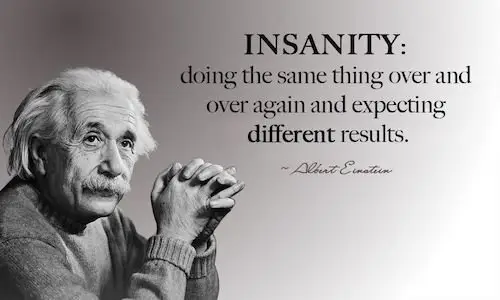
Change is the only constant, and progress comes from keeping an open mind, learning from trial and error, and turning lessons into momentum. Clinging to old practices holds teams back; embracing a “fail forward” mindset builds innovation and resilience. Think of cultures that create space for experimentation: not every idea becomes a breakthrough, but the practice fuels growth. The goal is to treat failure as data, not defeat. Make mistakes visible, run honest retrospectives with the people who lived the work, extract causes and insights, adapt the plan, and try again. Build psychological safety so people can take smart risks, share what they learn, and celebrate small wins while staying persistent. Einstein’s warning about doing the same thing and expecting different results is a practical guide here. Organisations that master this approach pivot faster, trust grows, and creativity flourishes. Do not avoid failure; fail fast, fail smart, and use each setback as a launchpad for the next leap.
What would it be if you could only choose one tool from your kit?

A change impact assessment is a vital tool for managing organisational transformation, giving teams a clear understanding of how change will affect people, processes, and systems. It maps the journey from the current state to the future state, helping to identify risks, allocate resources, set realistic timelines, and create strategies that address specific needs. Flexible in design, it can provide either a high-level overview or a detailed analysis of stakeholder groups, depending on project requirements. The insights gained guide communication, engagement, training, and support, while also helping program teams, technical teams, test managers, and leaders prepare effectively. Completing a strong assessment involves defining the scope, identifying stakeholders, gathering data, analysing gaps, assessing impact, and recommending actions, ensuring that every area of the organisation is aligned. Because change evolves over time, the assessment should be revisited throughout the project, serving as a practical compass that keeps everyone moving in the same direction.
Demystifying the Role of Change Manager: More Than Just “Managing Change”

Change managers play a vital role in turning business strategies into real outcomes by supporting the people who make change possible. We act as bridge builders between vision and execution, translating strategy into practical steps employees can embrace. As advocates, we ensure staff voices are heard and needs are considered, while also negotiating between competing priorities to keep transitions smooth. We provide a reliable support system through the challenges of change, mitigate risks by anticipating obstacles, and help shape culture to sustain new ways of working. By boosting efficiency and adoption, we make transformations more effective and ensure benefits are realised faster. In short, change managers are strategists, communicators, and problem-solvers who guide organisations through the complexities of evolution—facilitating not just change, but lasting transformation.
Change Management isn’t just for big corporations with big budgets

Change management is not just for large corporations with endless budgets. Small and mid-sized businesses can also benefit by making transitions smoother, supporting their people, and improving efficiency without disrupting daily operations. The key is focusing on what matters most: engaging employees, addressing their concerns, and tailoring solutions to fit available resources. As the Birdsnest story shows, even smaller businesses can achieve remarkable results when they combine customer focus, cultural alignment, and smart use of technology with structured change practices. With the right support, change becomes less overwhelming and more of an opportunity to build resilience, confidence, and long-term success.