
Resilience That Works: Why Personal Resilience Matters in Today’s Project Environment
This week I facilitated a resilience session for a cross collaborative program that brought internal teams and vendor partners together. For a rare moment, people stepped out of project mode and focused on something that is often overlooked in delivery environments: their own personal resilience. As soon as the space opened, the room shifted. People exhaled. They spoke honestly. They recognised how unpredictable project work can be and how much their ability to adapt and recover influences how they show up for others.
Resilience is not an individual burden or a private responsibility. It is a professional capability that affects decision quality, communication, wellbeing and team cohesion. This is the intention behind our Resilience That Works workshop. It gives teams practical tools that help them understand their stress patterns, regulate effectively and build simple habits that support them during demanding periods. When resilience grows, project delivery becomes clearer, calmer and more sustainable.
This session was a reminder of an important truth: resilience strengthens through small and intentional actions. When leaders create space for these actions, people respond with more clarity, steadiness and connection. These are the qualities that complex project environments rely on most.
Change Fatigue: Identification, Prevention and Support
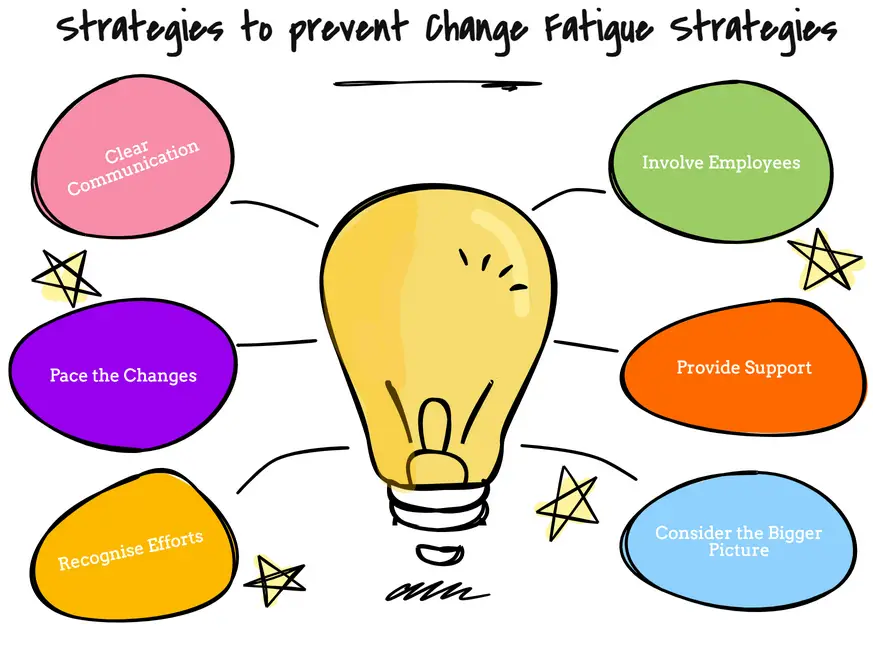
In a world where change is constant, many employees face the risk of change fatigue—the mental, emotional, and physical exhaustion that comes with ongoing transformation. Left unaddressed, it can lead to disengagement, reduced productivity, and high turnover. Preventing fatigue requires clear communication, involving employees in decisions, pacing initiatives thoughtfully, and providing the right training and support. Leaders also need to take a holistic view of all concurrent changes to avoid overwhelming teams. Even with strong prevention, support measures such as counselling, flexible work, and resilience-building programs are vital. By recognising and addressing change fatigue, organisations can create psychologically safe environments where people feel supported, engaged, and equipped to adapt with confidence.